We offer comprehensive hip pain treatment aimed at restoring mobility and relieving discomfort. Our experienced specialists know how to address the root causes of hip pain, including arthritis, tendinitis, and injury. Once we’ve made an accurate diagnosis, we build a customized treatment plan combining the most effective techniques, from physical therapy to regenerative medicine. Every provider here is committed to excellent care and patient satisfaction, with the goal of relieving your pain quickly and keeping it from coming back.

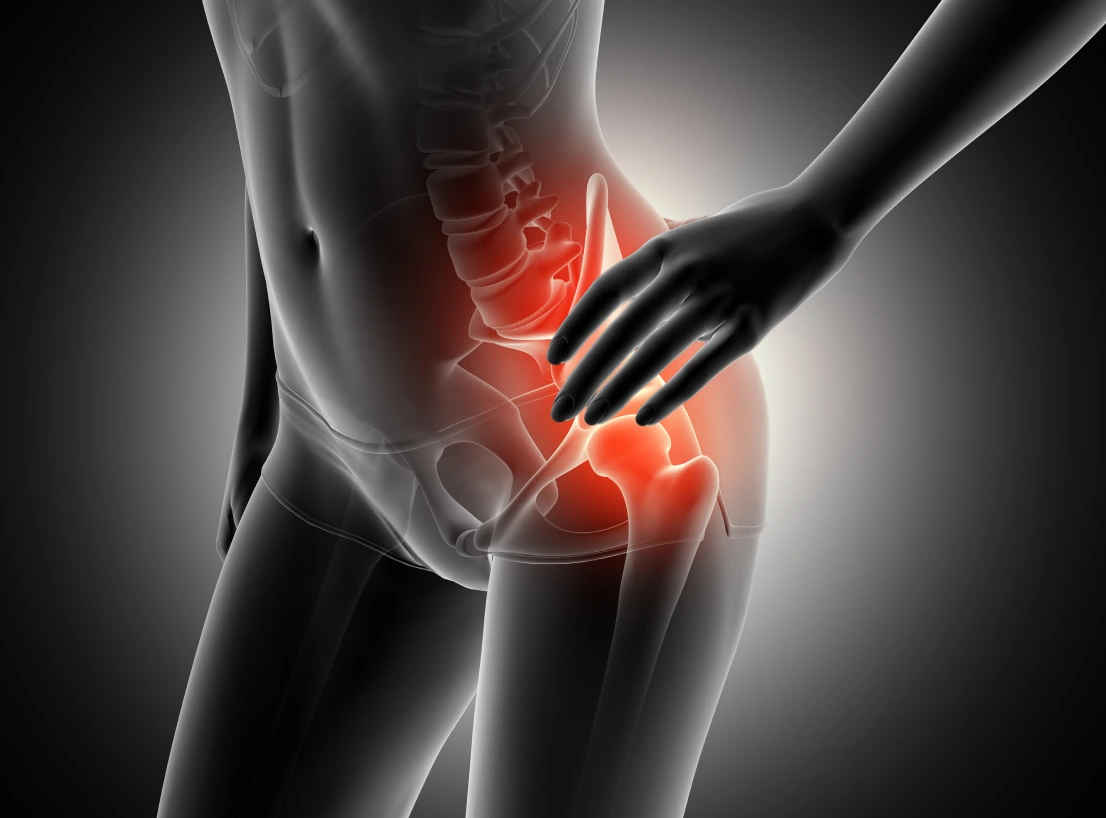

Arthritis is one of the most common causes of hip pain, especially with age, and comes in three main forms that can affect the hip joint: osteoarthritis, rheumatoid arthritis, and psoriatic arthritis. Osteoarthritis develops as cartilage breaks down over time, leading to bone-on-bone friction, often from overuse through repetitive activities like sports, dancing, or manual labor. Rheumatoid arthritis is an autoimmune condition where the body mistakenly attacks its own healthy cells, causing joint inflammation, while psoriatic arthritis shares those same symptoms but stems from the chronic condition psoriasis.
Arthritis-related joint pain typically starts as stiffness and discomfort during or after movement. As it progresses, the ache becomes duller and more constant, even at rest, sometimes with sharp, stabbing pain when walking or standing up, and the affected joint gradually loses range of motion and flexibility.
Tendinitis and bursitis are two other inflammatory conditions that commonly cause hip pain. Tendinitis develops when the tendons around the hip become swollen, usually from overuse or repetitive strain through activities like running, jumping, squatting, or dancing. Bursitis, meanwhile, involves inflammation of the bursae, the fluid-filled sacs that cushion bones and tissue, which can become irritated from arthritis, injury, or muscle imbalances.
Pain from hip tendinitis and bursitis usually starts as soreness and stiffness in the hip area, often worst when lifting the leg out to the side or turning it inward, sometimes accompanied by weakness, swelling, or tenderness right over the affected tendon or bursa.
A range of injuries can also cause sudden pain and disability. Hip fractures occur when the upper thigh bone breaks near the joint, usually from a major fall or trauma, and require immediate medical attention. Hip dislocations, where the thighbone’s ball completely leaves its socket, tend to result from forceful events like car accidents and also call for prompt treatment to stabilize the joint. Hip labral tears, small rips in the cartilage ring around the hip socket, often develop from repetitive motion in athletes or ordinary wear-and-tear with age, and can bring deep hip pain, stiffness, and reduced strength during activity.
Beyond the most common conditions above, hip pain can also stem from:
Hip impingement (femoroacetabular impingement): abnormal hip anatomy that causes painful rubbing and damage inside the joint.
Sciatica: irritation of the sciatic nerve that sends pain radiating down the back of the thigh.
Pinched nerves: compressed nerves in the hip area that cause significant aches.
Lupus: joint inflammation from this autoimmune disease that can affect the hips as well.
Osteomyelitis: an infection in the hip bone leading to progressive pain and damage.
Bone cancer: malignant tumors growing within the hip bones.
Hip dysplasia: abnormal hip development that leads to arthritis and joint problems.
Osteonecrosis: a loss of blood flow to the hip bone that results in bone death and collapse.

Pain management uses medications and injections to help reduce inflammation and discomfort.

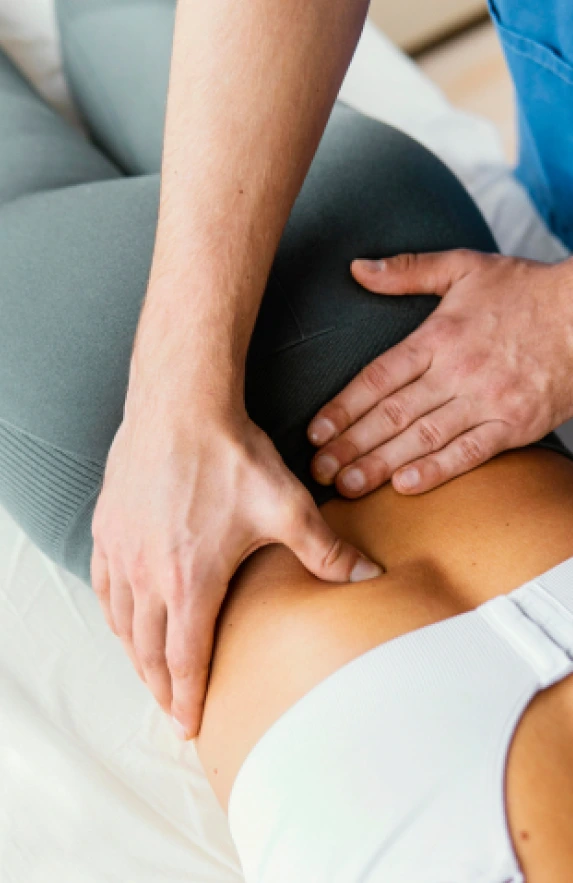
Chiropractic care relies on spinal manipulation and mobilization to realign the joints and take pressure off the nerves.

Occupational therapy helps patients regain function and get back to daily activities through exercise and lifestyle adjustments.

Orthopedic care focuses on realigning the joint structure and providing supportive devices that improve mobility and function.

Regenerative medicine, such as PRP injections, uses the patient's own platelets to stimulate healing and tissue regeneration.

Spinal decompression gently stretches the spine to create more space between the vertebrae and reduce nerve irritation.

Acupuncture uses thin needles along meridian lines to activate the body's own natural pain relief mechanisms.

Shockwave therapy directs powerful sound waves at the affected area to boost blood flow and support cell repair.

Virtual reality therapy immerses patients in games and simulations that help distract from pain signals.
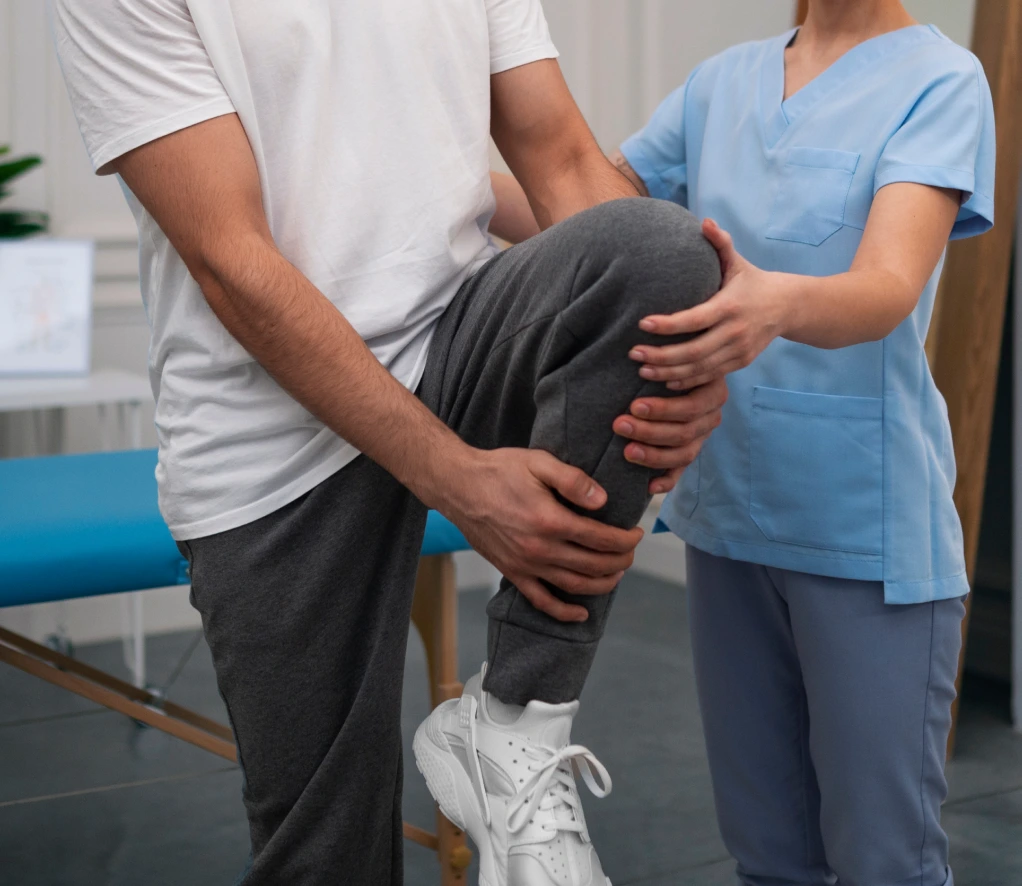
Physical therapy is one of the most effective remedies for hip pain. With guidance from a skilled professional, patients learn exercises and stretches that strengthen the muscles around the hip joint, helping stabilize it, improve flexibility and range of motion, and prevent future injury. We also build customized home exercise programs so patients can keep progressing on their own between visits. By rebuilding strength and correcting muscle imbalances, physical therapy supports healing and lasting relief from hip pain.
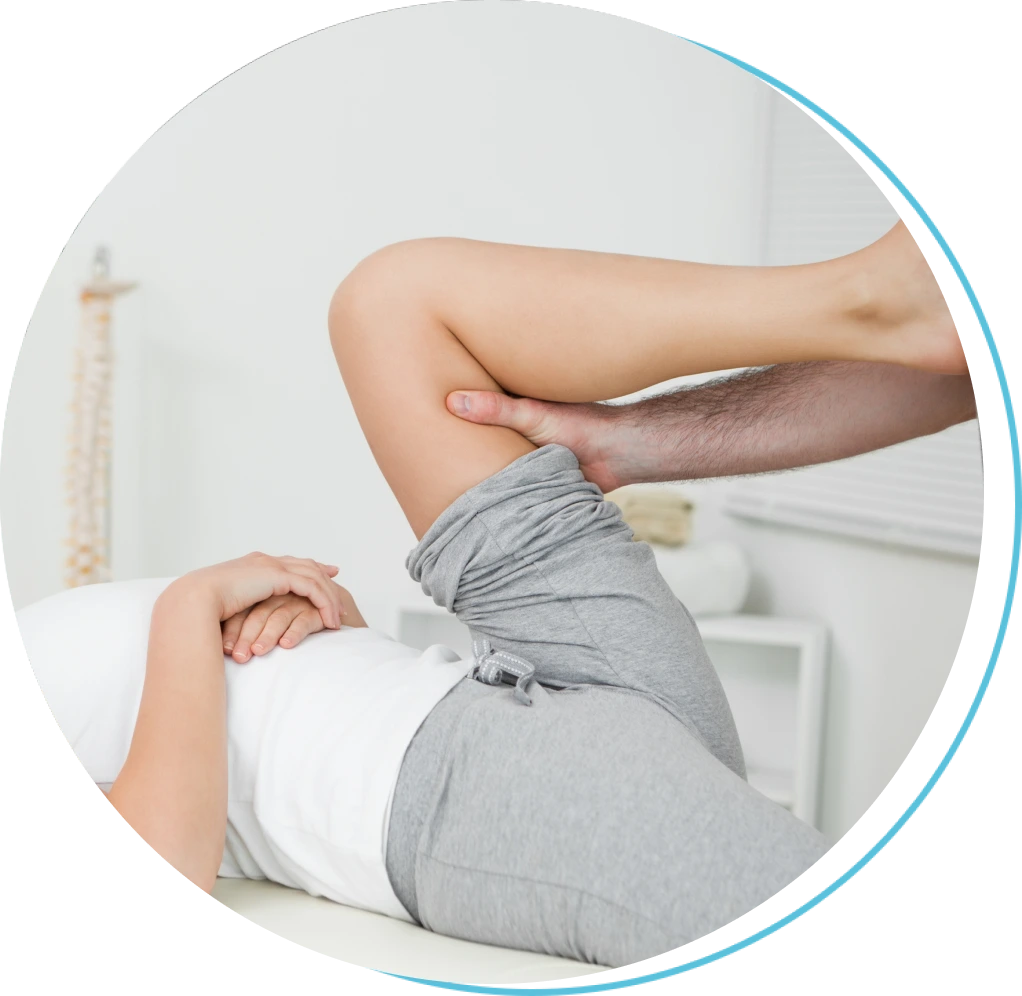
How long recovery takes depends on the underlying cause and the interventions used. During healing, the goals are to reduce inflammation, improve mobility, strengthen the muscles around the hip joint, correct any underlying mechanical issues, and prevent re-injury down the road. Recovery often begins with rest, ice, and compression to let acute inflammation settle, followed by physical therapy focused on gentle stretches and exercises that gradually build flexibility, strength, and endurance.
Recovery time also depends on factors like age and how closely a patient sticks to their treatment plan, and full healing can take anywhere from a few weeks to several months. Staying consistent with aftercare, keeping expectations realistic, and remaining active where possible all support a smoother recovery. With customized treatment plans and a high standard of care, most patients find real relief from hip pain and return to an active lifestyle.
Hip pain is a common complaint that can really undermine quality of life, which is why comprehensive treatment matters for addressing the root cause. Patients who tend to be good candidates for our hip pain therapy include those with the following characteristics:

People with chronic hip pain lasting more than 3 months may benefit from conservative treatment...
less than 3 months ago may be able to avoid surgery through physical therapy, PRP...

Younger, active patients hoping to delay or avoid joint replacement surgery are good candidates for our hip...

Our treatments may relieve pain for patients with early-stage osteoarthritis and joint space narrowing of less than...

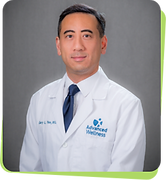
Dr. Gary L. Yen is Board certified in Physical Medicine and Rehabilitation and has a sub-specialty in Pain Medicine. Dr. Yen grew up in Long Island, NY and received his medical degree from Ross University. He completed his internship in Internal Medicine at Lutheran Medical Center in Brooklyn, NY and performed his residency in Physical Medicine and Rehabilitation at Stony Brook University, where he was chief resident.
Dr. Yen completed a pain management fellowship at RehabNY in Buffalo, NY, during which he served as the assistant athletic trainer to the Buffalo Bison, the Minor League AAA baseball team for the Cleveland Indians, as well as the Niagara University men’s and women’s collegiate hockey team.
The former chairman of the Physical Medicine & Rehabilitation Division of the Pain Management Department at CentraState Medical Center, Dr. Yen specializes in the non-operative treatment of a variety of joint, muscular, nerve, skeletal, spine and sports related injuries. He treats acute and chronic pain syndromes and performs electrodiagnostic studies. Dr. Yen also performs variety of interventional pain procedures and minimally invasive spine surgery for the relief of pain. He utilizes conservative treatments such as physical therapy, chiropractic care and acupuncture in conjunction with other procedures to enhance long term benefits. Dr. Yen believes in working with patients to create individual treatment plans.
When not attending to his patients, Dr. Yen likes to play golf, cook, and has a passion for playing the saxophone and piano. He is the proud father of two boys.

