
Arthritis is marked by inflammation and degeneration of the joints, affecting not just the cartilage and bones but the surrounding tendons and soft tissues as well. Over time, this process tends to bring discomfort and make joint movement more difficult, which can get in the way of everyday activities. Understanding what’s actually driving your arthritis is key to effective treatment and long-term management.
Osteoarthritis is the most common form of arthritis, developing as the protective cartilage cushioning your bones gradually wears away. As that cartilage breaks down, it typically brings pain, stiffness, and reduced flexibility in the joints involved, making everyday movement harder. Managing osteoarthritis usually centers on treatments that preserve joint function and ease discomfort.
Rheumatoid arthritis is an autoimmune condition where the immune system mistakenly targets the lining of the joints, driving inflammation that can damage joint tissue over time. Left unmanaged, this can lead to swelling, pain, and a loss of joint function. Catching it early and starting treatment promptly is key to slowing its progression and protecting your quality of life.
Gout develops when uric acid crystals build up in the joints, often tied to diet, genetics, or underlying metabolic issues. That buildup can trigger sudden, intense flare-ups of pain and swelling, most commonly in the big toe, though other joints can be affected too. Addressing the root cause through lifestyle changes and medication is often the best way to manage and prevent future flare-ups.
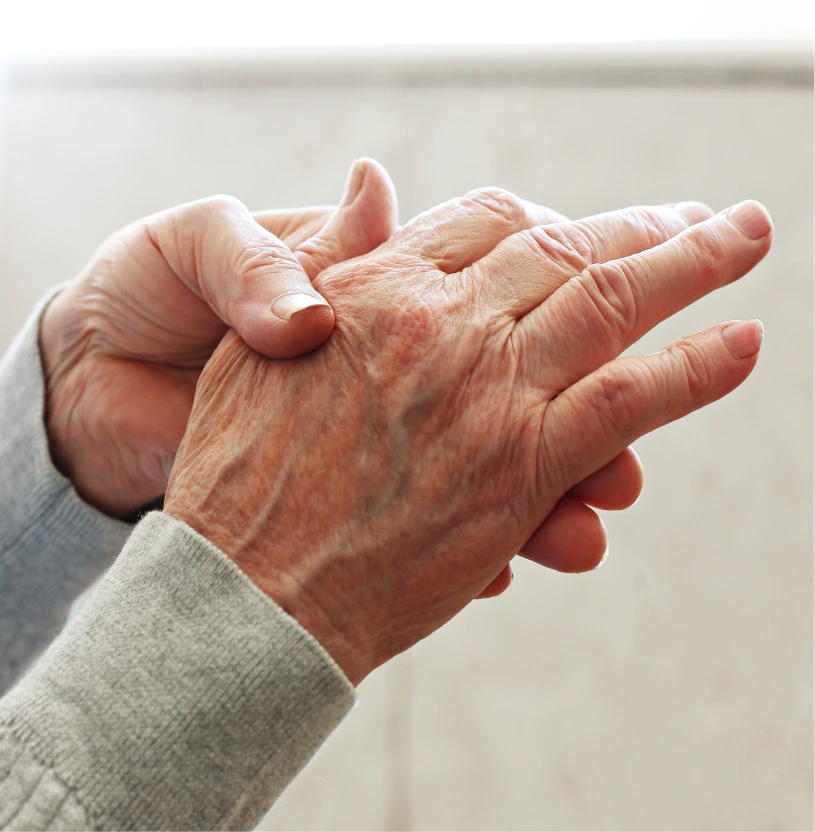
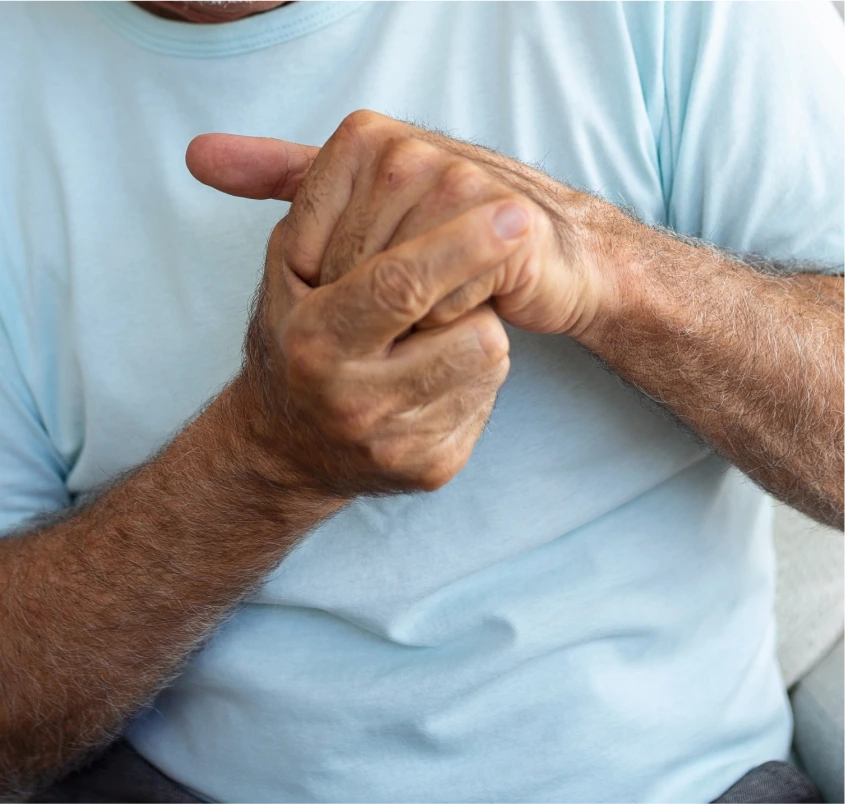
At your initial consultation, our team takes a careful, thorough approach to assessing your joint health, reviewing your medical history, performing a physical exam, and ordering imaging or lab work when needed. Pinpointing the underlying cause of your arthritis matters, since it helps us distinguish between different forms of the condition and tailor treatment accordingly. That thorough diagnostic process is what allows your treatment plan to target the actual root of your condition, improving outcomes and helping you achieve lasting relief and better joint function.
Our physical therapists build customized exercise programs to help manage your symptoms, build strength, and improve joint mobility. These exercises are designed to ease stiffness and make daily activities more comfortable to perform.
Occupational therapy helps you adapt your daily routines and environment to protect your joints and hold onto your independence. It’s about learning strategies and tools that make everyday tasks easier, even with arthritis in the picture.
Orthopedic care offers specialized evaluation and treatment for joint damage and structural issues. Our experts rely on advanced techniques to preserve joint function, recommending surgical options only when they’re truly needed to restore mobility.
Pain management starts with first-line treatments like nonsteroidal anti-inflammatory drugs (NSAIDs) and joint injections. These therapies work to ease pain and other symptoms, helping you regain comfort and improve your overall quality of life.
Chiropractic care zeroes in on the specific joints affected by arthritis to ease pain and restore proper alignment. Through gentle adjustments, our chiropractors help improve joint function and reduce discomfort.
Acupuncture targets inflammation and supports natural healing by stimulating specific points on the body with fine needles. This therapy can ease pain and improve joint function with very few side effects.
Shockwave therapy uses acoustic waves to boost blood flow to damaged tissue, speeding along the healing process. This non-invasive treatment helps reduce pain and supports tissue regeneration in arthritic joints.
Regenerative medicine works to address the underlying causes of arthritis by stimulating your body’s own natural healing processes. It can ease mild discomfort while supporting long-term recovery, aiming for more than just a quick fix or temporary relief.
Virtual reality therapy brings an innovative approach to arthritis pain relief. By immersing patients in controlled virtual environments, this treatment helps reduce pain perception and improve movement through guided exercises and distraction.

Arthritis can affect people at nearly any stage of life, and it often looks different depending on age, lifestyle, and medical history. While no two cases are exactly alike, certain groups tend to seek treatment more often because of how the disease progresses or how much it affects daily function. Typical candidates include:

Treating arthritis can bring a real reduction in joint pain by addressing inflammation and targeting the source of discomfort directly. That means moving more freely and getting through daily tasks with less difficulty.
Our treatments work to restore joint flexibility and function, which helps improve your range of motion. Over time, that translates into smoother movement and better physical performance.
Our non-surgical arthritis treatments relieve physical symptoms while also easing the emotional stress that comes with chronic pain. Knowing surgery isn’t your only option can bring real peace of mind and support your mental well-being.
Our treatment plans are built for long-term relief, strengthening the muscles that support your joints. That takes strain off the affected areas and helps prevent further damage down the road.
Treating arthritis can meaningfully improve quality of life by reducing fatigue, easing pressure on the joints, and making day-to-day activities more manageable. Many patients find they gain more independence and comfort in their everyday routines.
Our practice is committed to comprehensive arthritis care through an interprofessional team that works collaboratively to build personalized treatment plans. By combining expertise from multiple specialties, we make sure every patient gets well-rounded, effective care tailored to their specific needs. Schedule an appointment with our experienced providers and take the first step toward managing your arthritis with confidence.
Yes, arthritis can cause severe pain in the knee, which may lead to significant disability if left untreated. Managing this severe pain early is crucial to maintaining joint function and preventing further complications.
Research indicates that a robust immune system plays a crucial role in arthritis treatment, particularly for autoimmune forms of the disease. A healthy immune response enables the body to better manage inflammation and support healing.
Absolutely. We proudly serve patients from Monroe and surrounding communities throughout Monmouth County, providing convenient access to comprehensive arthritis care.
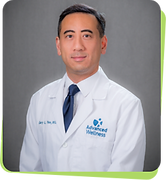
Dr. Gary L. Yen is Board certified in Physical Medicine and Rehabilitation and has a sub-specialty in Pain Medicine. Dr. Yen grew up in Long Island, NY and received his medical degree from Ross University. He completed his internship in Internal Medicine at Lutheran Medical Center in Brooklyn, NY and performed his residency in Physical Medicine and Rehabilitation at Stony Brook University, where he was chief resident.
Dr. Yen completed a pain management fellowship at RehabNY in Buffalo, NY, during which he served as the assistant athletic trainer to the Buffalo Bison, the Minor League AAA baseball team for the Cleveland Indians, as well as the Niagara University men’s and women’s collegiate hockey team.
The former chairman of the Physical Medicine & Rehabilitation Division of the Pain Management Department at CentraState Medical Center, Dr. Yen specializes in the non-operative treatment of a variety of joint, muscular, nerve, skeletal, spine and sports related injuries. He treats acute and chronic pain syndromes and performs electrodiagnostic studies. Dr. Yen also performs variety of interventional pain procedures and minimally invasive spine surgery for the relief of pain. He utilizes conservative treatments such as physical therapy, chiropractic care and acupuncture in conjunction with other procedures to enhance long term benefits. Dr. Yen believes in working with patients to create individual treatment plans.
When not attending to his patients, Dr. Yen likes to play golf, cook, and has a passion for playing the saxophone and piano. He is the proud father of two boys.

