
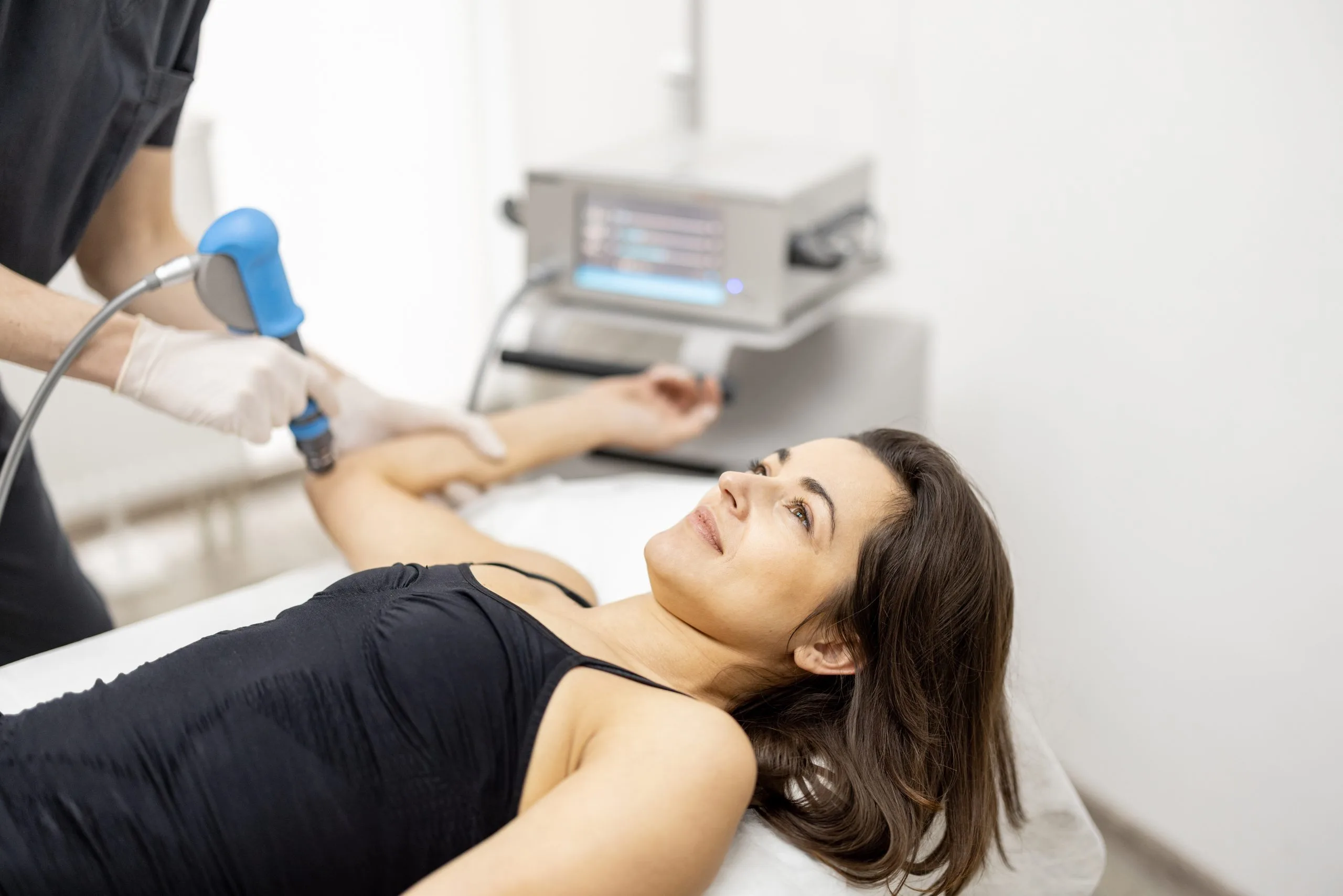
Yes – shockwave therapy is a highly effective, research-supported, non-invasive treatment for many patients with persistent tennis elbow pain. It stimulates the body's natural healing mechanisms to repair damaged tissue, reduce pain, and restore function without injections or surgery.
At Advanced Wellness in Marlboro, this technology often brings significant relief after rest, bracing, and physical therapy have failed to provide lasting results.
Despite its name, tennis elbow doesn't just affect tennis players. Known medically as lateral epicondylitis, it's a repetitive strain injury common in anyone who frequently uses their forearm muscles – painters, plumbers, carpenters, office workers, and weekend athletes. It occurs when the tendons connecting your forearm muscles to the bony bump on the outside of your elbow (the lateral epicondyle) become inflamed and develop tiny tears from overuse.
Common symptoms include:
Pain, burning, or tenderness on the outside of the elbow
Pain that radiates into the forearm and wrist
A weakened grip
Discomfort when lifting, twisting, making a fist, shaking hands, or performing simple wrist movements
Because these tendons have limited blood flow, they often heal slowly, which is why tennis elbow can linger for months. Initially, rest, ice, and bracing may help, but when the pain becomes chronic, a more targeted approach is needed to address the underlying tissue damage.
Shockwave therapy is a non-invasive treatment that uses acoustic energy waves – not electrical shocks – to target injured tissue deep within the body. A provider uses a handheld device to deliver rapid, high-energy sound pulses directly to the painful area of the elbow.
This process accomplishes several key things:
Stimulates blood flow: Micro-trauma in the tendon triggers a powerful healing response, increasing circulation and delivering essential oxygen and nutrients for repair.
Breaks down scar tissue: Helps break down scar tissue and calcium deposits that restrict movement and cause pain, allowing healthy new tissue to grow.
Reduces pain signals: Over-stimulates pain-transmitting nerves for an analgesic effect and immediate relief.
Promotes tissue regeneration: Activates stem cells and growth factors to accelerate healing of tendon and muscle tissue.
In simple terms, this medically supervised procedure encourages a stalled tendon to restart its natural repair process. Sessions are short, and most people return to their normal day right afterward.
While powerful, shockwave therapy isn't the first line of defense for every case of elbow pain. Providers assess your history, symptoms, and previous treatments to ensure the treatment is both safe and effective for your unique situation.
Shockwave therapy is typically recommended for chronic lateral epicondylitis (lasting three months or longer) that hasn't responded to conservative care. You may be a good candidate if:
You have tried rest, ice, bracing, or anti-inflammatory medications with little success
You have undergone physical therapy without resolving the pain
You are seeking an alternative to steroid injections or surgery
Your elbow pain significantly limits your work, sports, or daily activities
Your tendon problem has been confirmed by a clinical exam
Your initial consultation involves a thorough evaluation to confirm the diagnosis and determine the step in your recovery plan.
Patient safety is paramount. Shockwave therapy is generally avoided if you:
Are pregnant
Have a tumor in the treatment area
Have a blood-clotting disorder or take anticoagulant/blood-thinning medication
Have an active infection or open wound near the elbow
Have nerve or circulation disorders in the target area
A careful review of your medical history will help determine if you are a suitable candidate before proceeding.
When used appropriately, shockwave therapy offers a compelling set of benefits for those suffering from chronic tennis elbow.
The primary benefit is a significant reduction in pain. Some patients feel relief after the first session, but the most substantial improvements typically build in the weeks following treatment as the tissue continues to heal.
Key benefits include:
Non-invasive: No needles, no anesthesia, and no incisions
No downtime: Return to normal activities immediately, though strenuous arm exercise is usually discouraged for a short period
Fast sessions: Each session typically lasts only 10–15 minutes
Targeted healing: Energy is focused directly on the injured tendon
Gradual, lasting improvement: Results often keep building for weeks after your sessions end
High success rate: Clinical studies consistently show effectiveness for the majority of patients with chronic tendinopathies
Many patients notice an easier time gripping and lifting as the tendon heals.
A large body of research supports the use of shockwave therapy for lateral epicondylitis and other chronic tendon issues like plantar fasciitis and shoulder tendinitis, with medical literature reporting success rates of 70–80% in patients who have failed other conservative treatments.
Results vary from person to person – factors like symptom duration, severity of tendon damage, and adherence to activity guidance all play a role. That's why a medically supervised plan tends to produce more reliable outcomes than a single treatment in isolation. This evidence-based approach is why it has become a cornerstone of non-invasive pain management programs. Patients may experience:
Redness or swelling in the treated area
Mild, temporary pain or soreness for a day or two
Bruising, tingling, or small red spots (petechiae) near the elbow
These symptoms usually resolve on their own within a day or two. Because the treatment is non-surgical, it avoids many concerns tied to more invasive procedures. Your provider will give you clear aftercare instructions to manage any discomfort.
If tennis elbow has been limiting your work, sports, or daily activities and traditional treatments haven’t provided lasting relief, shockwave therapy may be a worthwhile option to consider. By stimulating the body’s natural healing response, this non-invasive treatment can help reduce pain, improve function, and support long-term tendon recovery without the need for injections or surgery. A comprehensive evaluation by a qualified provider can determine whether shockwave therapy is the right fit for your condition and help you take the next step toward lasting elbow pain relief.
To find out whether shockwave therapy is a good fit, contact Advanced Wellness at (732) 431-2155 to schedule your evaluation.
About the Author
Dr. Cilea
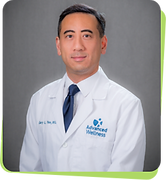
Dr. Gary L. Yen is Board certified in Physical Medicine and Rehabilitation and has a sub-specialty in Pain Medicine. Dr. Yen grew up in Long Island, NY and received his medical degree from Ross University. He completed his internship in Internal Medicine at Lutheran Medical Center in Brooklyn, NY and performed his residency in Physical Medicine and Rehabilitation at Stony Brook University, where he was chief resident.
Dr. Yen completed a pain management fellowship at RehabNY in Buffalo, NY, during which he served as the assistant athletic trainer to the Buffalo Bison, the Minor League AAA baseball team for the Cleveland Indians, as well as the Niagara University men’s and women’s collegiate hockey team.
The former chairman of the Physical Medicine & Rehabilitation Division of the Pain Management Department at CentraState Medical Center, Dr. Yen specializes in the non-operative treatment of a variety of joint, muscular, nerve, skeletal, spine and sports related injuries. He treats acute and chronic pain syndromes and performs electrodiagnostic studies. Dr. Yen also performs variety of interventional pain procedures and minimally invasive spine surgery for the relief of pain. He utilizes conservative treatments such as physical therapy, chiropractic care and acupuncture in conjunction with other procedures to enhance long term benefits. Dr. Yen believes in working with patients to create individual treatment plans.
When not attending to his patients, Dr. Yen likes to play golf, cook, and has a passion for playing the saxophone and piano. He is the proud father of two boys.
